Elderberry syrup
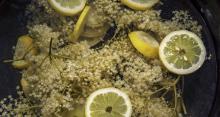
The elderberry is a widespread shrub in Italy in ruderal environments, damp woods and the banks of watercourses where it grows wild from the sea to the mid-mountains. Along the Serchio and in the woods of the Lucca Plain it is frequently found in late spring in generous blooms.
The compound leaves are dark green in colour, the flowers in clusters of tiny corollas with a very intense perfume that can already be perceived from a distance.
Cenci & Co.
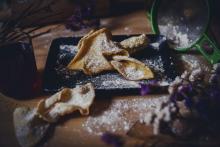
Frappe, cenci, chiacchiere, bugie, rappe, frappole, galani, frittole, cròstoli. There is no Carnival without this versatile and crunchy sweet.
The name changes and with the name some small details that identify the regional variants, but the recipe is very similar and unique joy that these sweets bring to the tables at any time of day, from breakfast to after hour.
Rectangular, long, knotted, thin or full-bodied, always crumbly and crispy and sprinkled with plenty of powdered sugar.
La vellutata di Giovanni
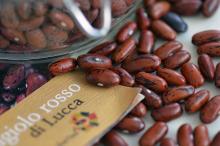
Giovanni Giovannoni is the president of the Association "Rosso e i suoi fratelli", which protects the red bean of Lucca and the other 17 varieties cultivated in the Plain of Lucca.
A passionate grower, he is also an excellent and generous cook, several times finalist of the "disfida della zuppa", the semi-serious competition between chefs organized by Slow Food in winter. Deep connoisseur of the "leguminous" nature, he never backs out when there is a need of a good advice about "leguminous" combinations with meats, spices, wines, vegetables.
La focaccia di mele di Elena Pardini
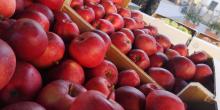
Cold weather, a lit fireplace, a cat and... inevitable apple pie.
We propose a special focaccia, from Elena Pardini's family recipe.
Sweet-eyed and always ready with a smile, Elena is the cook at the AA 'Alle Camelie' in Pieve di Compito, at the foot of Monte Pisano, on the edge of the woods. This is the area where camellias grow in gardens, nurseries, along the Visona, the stream that runs through the Compitese villages, and in the Sant'Andrea camellia grove. At the moment, camellias of the Sasanqua variety, our 'poinsettias', are blooming.
Eccellent truffle of Lucca
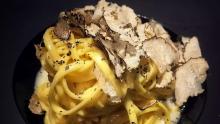
It is news of a few weeks ago the establishment of a new geographical area of origin of the Tuscan white truffle of Lucca, which is in addition to the other five historical Tuscan areas of Mugello, Casentino, Colline Sanminiatesi, Val Tiberina and Crete Senesi.
Withe truffle of Lucca
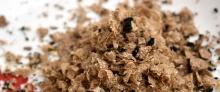
La truffe blanche de Toscane (Tuber magnatum pico) est une variété de Tuber magnatum que l'on trouve dans certaines parties du nord des Apennins (partie orientale) et dans une zone centrale assez étendue qui s'étend de la province de Pise aux frontières du Latium. Elle présente une couche externe lisse, jaune clair ou verdâtre et une chair plus ou moins marron clair à noisette, parfois nuancée de rouge vif, avec des veines claires, fines et nombreuses. Elle a des dimensions variables, de celles d'une graine de maïs à celles d'une grosse orange, tout au plus.
Taste of History at Domus Romana
In the suggestive and welcoming environment of the Domus, between Roman walls and Renaissance vaults, it is possible to participate all year round to buffet tastings, lunches and dinners on menus and recipes from the Roman era. In the Calix (chalice) you can taste the Idromele or aquamulsa, an alcoholic drink produced by the fermentation of honey ... or try the Libum, the Bread of the Gods, a spelt flour focaccia cooked on bay leaves.
Crisciolette
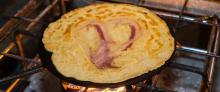
There are no certain testimonies about the origins of criscioletta, the dish is simple, certainly conceived at the tables of poor families of Garfagnana and handed down orally. However, it remains the recognition of the homeland traditionally identified in the town of Cascio.
It is made with a mixture of durum wheat flour, corn or millet flour, water, salt. It is an excellent substitute for bread and a classic mountain street food.
Sweet chestnut flour of Villa Basilica
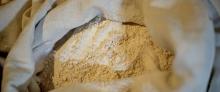
The chestnut flour of Villa Basilica, called neccio flour or sweet flour in these parts, was the so-called bread of the poor, or rather, of those who lived in the mountains. It has a hazelnut colour and a sweet taste, very aromatic thanks to the varieties of chestnuts used (carpinese and pastinese). Sometimes the Lucignana and Silvana varieties are also used; the latter is characterised by its marked sweetness.